
Selling Islamic Home Decor: What Wholesalers Need to Know in 2026
The Islamic home decor market has evolved significantly over the past five years. It is no longer limited to wall hangings with calligraphy and basic prayer room accessories — though those remain reliable sellers. Today’s Islamic home decor category spans minimalist geometric wall art, smart home-compatible azan clocks, premium fragrance diffusers designed for Islamic households, and decorative Quran stands that double as furniture pieces. For wholesalers, this means the category is broader and more profitable than ever, but also more complex to source correctly.
Understanding the Three Buyer Segments
Islamic home decor customers are not a monolith. The market divides into three broad segments that make different purchasing decisions. First-generation immigrant households tend to prefer traditional Islamic decor with Arabic calligraphy, ornate designs, and recognizable Islamic motifs. Second and third-generation Muslims in Western countries gravitate toward minimalist, modern interpretations — geometric patterns, subtle Islamic references, and decor that blends with contemporary interiors. The gift-buyer segment purchases Islamic decor for weddings, housewarmings, and Eid, prioritizing presentation and packaging over daily-use durability. Your product mix needs to address at least two of these segments to avoid being too narrow for retail partners.
Wall Art: The Volume Leader
Islamic wall art remains the highest-volume subcategory within home decor. The shift in 2026 is toward multi-piece canvas sets and framed prints rather than single large pieces, which are harder to ship and display in retail settings. Three-piece canvas sets in standard sizes (30x40cm per panel, 40x60cm per panel) are the most practical format for wholesale because they fit standard shipping cartons, display well on retail walls, and provide a clear customer upgrade path from single-piece to multi-piece purchases. Material matters: acrylic-faced prints resist fading and humidity better than standard canvas, an important consideration for homes in humid climates across Southeast Asia and the Gulf.
Decorative Accessories with Functional Value
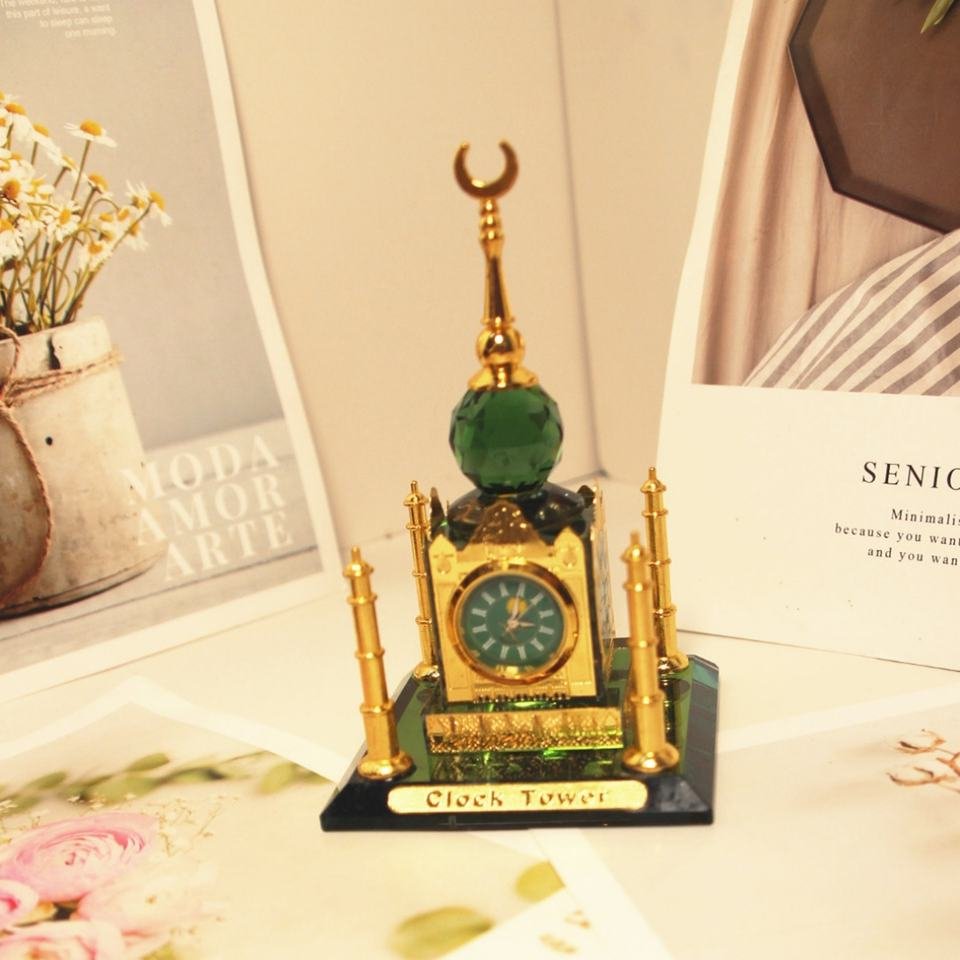
Products that combine decorative appeal with practical Islamic function consistently outperform purely ornamental items at the wholesale level. Islamic crafts and decor items like digital azan clocks with temperature displays, Quran stands with built-in storage compartments, and decorative prayer time charts sell not just because they look good but because they serve a daily purpose in a Muslim household. The wholesale advantage of functional-decorative hybrids is that retailers can justify a higher price point to customers who perceive dual value, which in turn supports better wholesale margins for you.
The Fragrance-Decor Overlap
Bakhoor burners, oud diffusers, and decorative incense sets occupy a sweet spot between home fragrance and home decor. These products are small, lightweight, and carry high perceived value — ideal characteristics for wholesale. An electric bakhoor burner with a decorative exterior costs marginally more to produce than a plain one but retails for 40–60% more because the customer is buying both a functional item and a decor piece. If you are building or expanding an Islamic home decor range, the fragrance-decor crossover category should be among your first additions.
Packaging and Retail Presentation
Islamic home decor is disproportionately a gift category. A significant share of purchases — industry estimates suggest 30–40% during Ramadan and Eid seasons — are intended as gifts. This means packaging is not optional. A wall art set shipped in a plain polybag will sell for less and generate more returns than the same set in a printed gift box with protective foam inserts. When sourcing, negotiate packaging as a separate line item in your supplier agreement. The cost difference between a polybag and a basic gift box is typically $0.30–$0.80 per unit — a small investment that can increase the retailer’s sell price by $3–$5.
Trends Shaping the 2026 Market
Several trends are reshaping Islamic home decor purchasing. Sustainable and eco-friendly materials — bamboo frames, recycled paper prints, organic cotton wall hangings — are increasingly requested by Western-market retailers serving environmentally conscious Muslim consumers. Smart home integration is entering the category through app-controlled azan clocks and LED decor that syncs with prayer times. Personalization — custom family name calligraphy, bespoke color matching — is growing among gift buyers willing to pay premium prices. Wholesalers who can offer even one personalized SKU within their range open a conversation with retailers that purely generic suppliers cannot have.
FAQ
What is the most popular Islamic home decor category for wholesale?
Islamic wall art — particularly three-piece canvas sets and framed calligraphy prints — generates the highest wholesale volume. Decorative Quran stands and azan clocks follow closely in unit sales and margin contribution.
How should I package Islamic home decor for retail?
Gift-ready packaging is strongly recommended. Printed boxes, protective inserts, and hang-ready hardware on wall art are the minimum standard for retail-ready Islamic decor products.
What materials hold up best for Islamic decor in humid climates?
Acrylic-faced canvas prints, powder-coated metal decor, and sealed wood products resist humidity better than standard canvas, untreated wood, or paper-based wall hangings.
Conclusion
The Islamic home decor category in 2026 rewards wholesalers who understand that their retail buyers are serving three different customer mindsets — traditional, modern-minimalist, and gift-oriented — often from the same shelf. Stocking products that work across those segments, with packaging that supports gift purchases and materials that survive real-world home conditions, is the formula for repeat orders. The retailers who buy from you are not just filling shelves; they are helping customers make their homes reflect their identity. The decor that does that well sells itself.