
Why Everyday Modest Fashion Outsells Occasion Wear
For years, Islamic apparel wholesale revolved around two peaks — Ramadan and Eid. Buyers stocked occasion wear, sold through the window, and waited for the next one. That model is shifting. Across Southeast Asia, the Gulf, and Western Muslim communities, everyday modest fashion is now outselling occasion-only pieces. For wholesalers, the signal is clear: the steady, repeat-purchase category is where the growth is.
The Old Peak-and-Wait Model
The traditional wholesale calendar treated modest fashion as a seasonal business. A retailer ordered thobes and embellished dresses ahead of Eid, sold hard for six weeks, then sat on slow-moving stock until the next festival. It created painful cash-flow gaps and made inventory planning a high-stakes gamble.
What “Everyday Modest” Actually Means
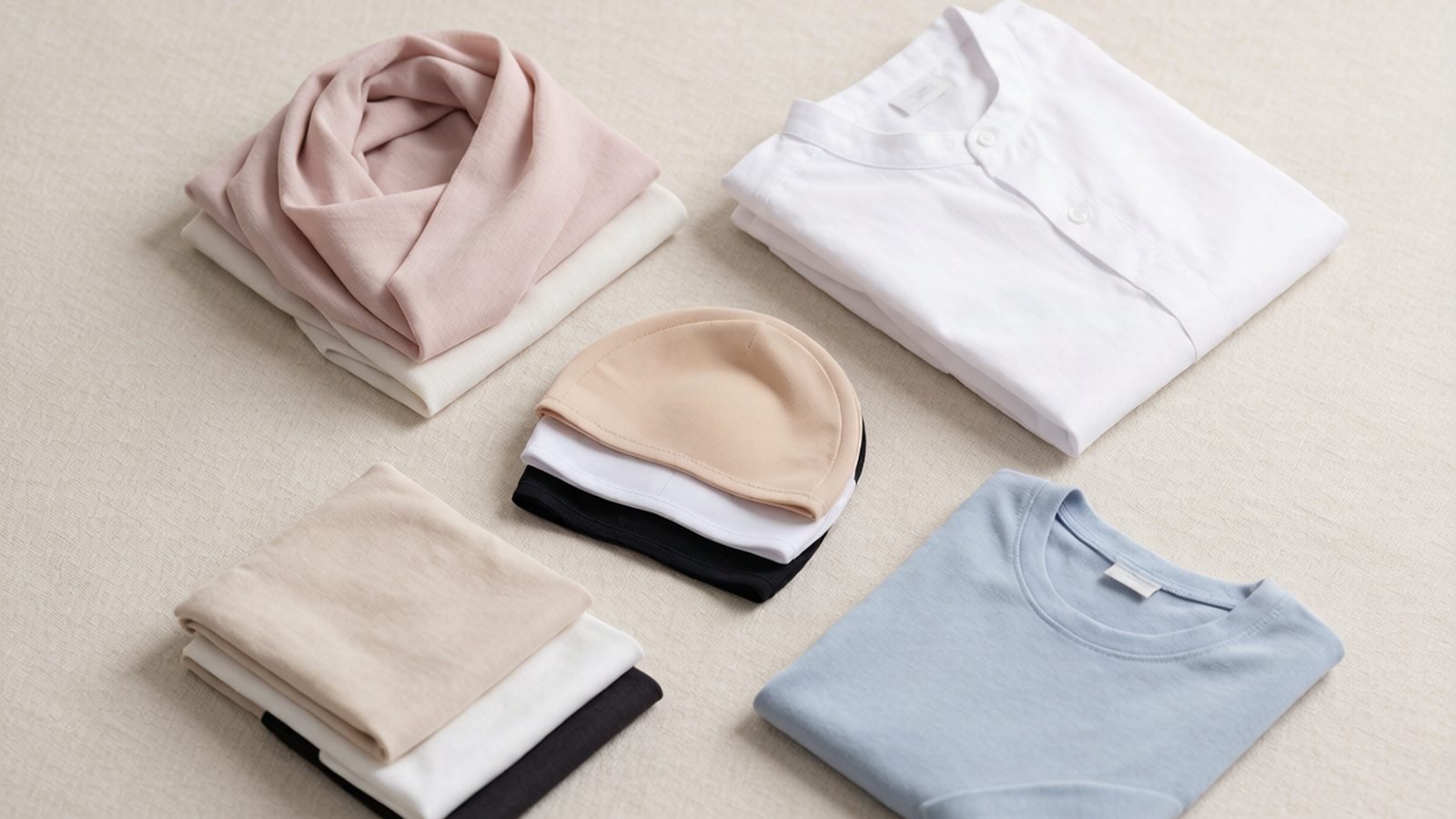
Everyday modest fashion is apparel designed to be lived in, not saved for a single night. It includes seamless undercaps worn daily, breathable hijabs in neutral tones, modest long-sleeve tops, and lightweight thobes for regular wear. The defining trait is repetition: these are pieces a customer reaches for again and again.
Why Buyers Are Shifting
Three forces drive the move. First, modest fashion has normalized in mainstream retail, so demand no longer spikes only around holidays. Second, year-round demand lowers stockout risk for shop owners. Third, higher repeat-purchase frequency improves retailer margins and customer lifetime value far more than a once-a-year occasion sale.
What This Means for Your Assortment
The practical takeaway is to rebalance. Many wholesalers still run a 70/30 split favoring occasion wear. Shifting toward a 40/60 or even 50/50 everyday-heavy mix smooths revenue and reduces dead periods. Neutral colors and durable fabrics outperform one-off statement pieces in repeat sales.
Where to Start as a Wholesaler
Audit your current mix, then test everyday SKUs in small batches before committing volume. Build a base with the women’s collection — undercaps, everyday hijabs, and modest tops — and pair it with the men’s collection of daily-wear thobes and caps. Let sell-through data tell you what to scale.
Frequently Asked Questions
Is occasion wear still worth stocking?
Yes, but in a measured share. Keep a curated Eid and Ramadan selection for the seasonal surge, while letting everyday pieces carry the baseline of your sales.
Which everyday pieces have the strongest repeat rate?
Undercaps and everyday hijabs lead, because they are consumed and replaced continuously. Modest tops and daily thobes follow with steady, predictable reorders.
How do I avoid overstock if preferences shift?
Test new everyday styles in small batches, watch sell-through for two to three months, and reorder only proven winners. This keeps your warehouse lean and responsive.
Summary
The center of gravity in modest fashion wholesale has moved from the calendar’s peaks to its everyday middle. Retailers who build a reliable everyday modest fashion base — and treat occasion wear as the topping — will see steadier sales and far fewer dead periods. Stock for the Tuesday wardrobe, not just the Eid invitation.