
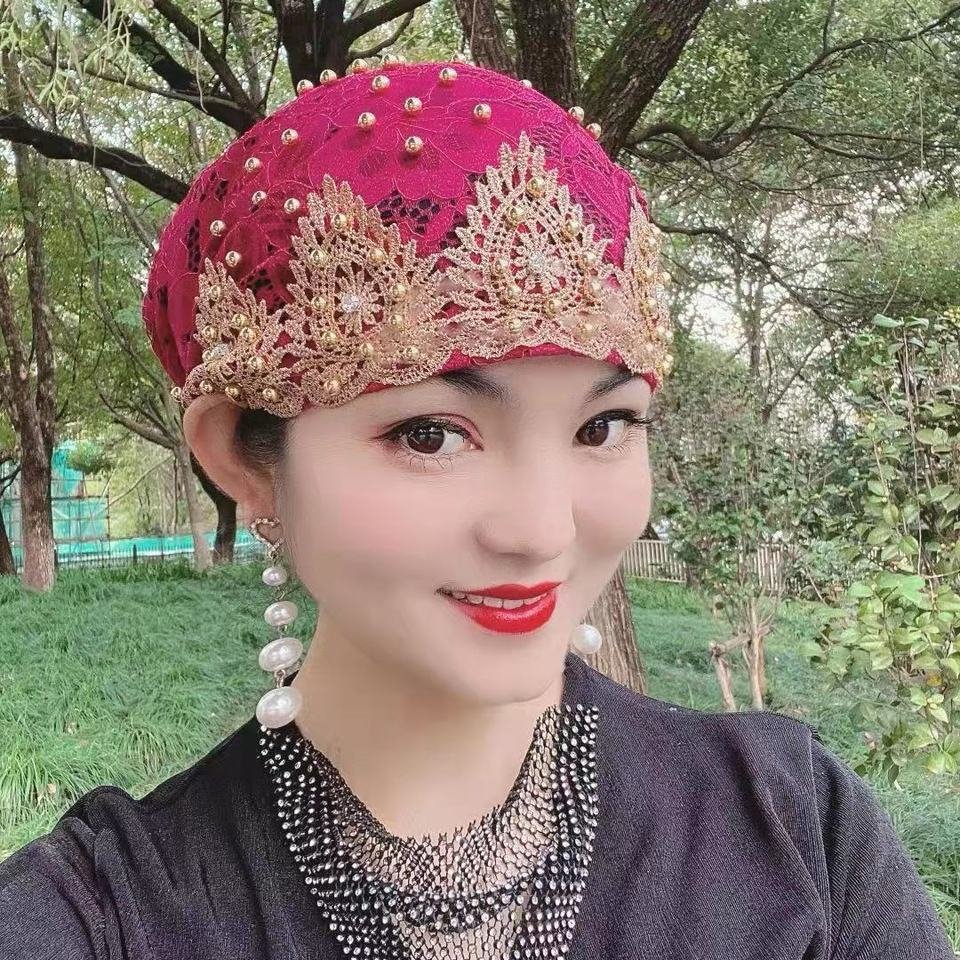
The hijab undercap is one of those product categories that looks deceptively simple from the outside. It is a small piece of fabric worn beneath the hijab, often invisible to anyone other than the wearer. But among the women who wear hijab daily, the undercap is not an afterthought — it is a functional necessity. The difference between a good undercap and a poor one is felt every hour of the day. For wholesalers, that distinction translates directly into reorder rates, customer loyalty, and the margin between a supplier you keep and one you replace.
Why Undercap Material Determines Everything
Unlike the hijab itself, which is judged partly on visual grounds — drape, color, print — the undercap is evaluated almost entirely on how it feels and performs. Does it keep the hair in place without slipping? Does it absorb or trap heat? Does it cause itching or irritation after extended wear? These are the questions your retail buyers hear from their customers, and they are ultimately questions about material composition. Understanding the fabric differences at the sourcing level is the most reliable way to avoid stocking products that generate returns and complaints.
Cotton and Cotton Blends: The Classic Choice
Pure cotton undercaps are among the most widely sold options globally, particularly in warmer climates across Southeast Asia and the Middle East. Cotton’s natural breathability makes it well-suited to full-day wear in hot conditions. It absorbs moisture without making the scalp feel damp, and it tends to cause minimal irritation even for those with sensitive skin. The trade-off is that pure cotton offers less elasticity, which can lead to looser fit over time. Cotton-spandex blends (typically 95% cotton / 5% spandex) address this by adding enough stretch to maintain grip without sacrificing breathability.
Bamboo Fabric: The Premium Positioning Opportunity
Bamboo-derived fabrics have gained significant market traction in the modest fashion segment over the past several years. From a wholesale perspective, bamboo undercaps occupy a premium price tier — typically 30–50% more than equivalent cotton options — but they carry a compelling story for retail marketing. Bamboo fabric is naturally thermo-regulating, meaning it stays cool in heat and retains warmth in cooler conditions. It is also naturally antimicrobial, which is a genuine functional benefit for a product worn against the scalp for extended periods. If you are sourcing for boutique Islamic fashion retailers or gift-box sets, bamboo undercaps offer a clear differentiation point.
Viscose and Modal: Softness as a Selling Point
Viscose and modal undercaps are valued primarily for their silky, soft feel. Modal, a type of semi-synthetic fabric derived from beech tree pulp, is softer and more moisture-wicking than standard viscose. Both materials drape well and feel lightweight, making them popular in hijab accessories collections. The main limitation is durability — viscose and modal are more prone to pilling and wear after repeated washing than cotton or bamboo. For fashion-forward product lines with moderate replacement cycles, this is acceptable. For everyday essentials buyers who expect longevity, you may want to steer toward cotton blends instead.
Synthetic Options: Polyester and Nylon
Polyester and nylon undercaps exist primarily in the lower price tier and in specific functional categories like sports-hijab accessories. Pure polyester traps heat and does not absorb moisture, which makes it uncomfortable for extended daily wear in warm climates. However, performance-fabric polyester blends — those designed for activewear — can perform reasonably well when moisture management is engineered into the weave. If your retail customers are serving active Muslim women or athletic communities, these blends are worth evaluating. Otherwise, polyester-heavy undercaps are best positioned on price rather than comfort.
Construction Details That Affect Performance
Beyond the base fabric, two construction details separate functional undercaps from forgettable ones. The first is the edge finish: a rolled or flatlock-stitched hem causes significantly less friction against the forehead and neck than a cut-and-sewn edge. The second is the silicone or elastic band placement. An undercap that slides backward during the day is useless regardless of how soft the fabric is. Look for inner silicone grip strips or a wide elastic band that distributes pressure evenly. These are the details that drive the “this is the only one I’ll buy” customer reviews that support your retail partners’ repeat business.
Sourcing Strategy: Build a Range, Not Just a SKU
The most effective approach to sourcing women’s Islamic accessories like undercaps is to build a tiered range rather than chasing a single bestselling SKU. An entry-level cotton-spandex option, a mid-tier bamboo or modal version, and a functional performance option for active wear covers the main buyer segments without requiring enormous inventory depth. This also allows your retail partners to offer meaningful choice without overcomplicating their assortment. Small SKU counts with clear material differentiation outperform large SKU counts with unclear differentiation in this category.
FAQ
What is the most popular hijab undercap material globally?
Cotton and cotton-spandex blends remain the most widely purchased undercap materials globally, particularly in Southeast Asia and the Gulf. Bamboo is growing in premium segments, especially in Western markets.
What GSM is typical for undercaps?
Most undercaps fall between 160–220 GSM. Lighter fabrics (160–180 GSM) are preferred for hot climates; heavier options (200–220 GSM) provide more coverage and structure for cooler conditions or thicker hijab styles.
Are there minimum order quantities to watch for with undercaps?
Standard MOQ for plain undercaps is typically 50 pieces per color per style. Custom-branded or custom-color undercaps usually require 300–500 pieces minimum per SKU.
Conclusion
The hijab undercap may be the quietest product in your women’s accessories range, but it is rarely the least important one. Customers who find an undercap that works for their daily life buy it repeatedly, recommend it to others, and return to the retailer who stocked it. That dynamic starts at the sourcing level. Understanding the material options — what each fabric delivers, where it performs well, and where it falls short — is what allows you to build a range your retail partners can actually stand behind.