
How to Source Ethical Islamic Products Without Sacrificing Margin
Sourcing ethical Islamic products is no longer a niche concern — it has become a core expectation from retailers across Southeast Asia, the Middle East, and Muslim communities in Europe and North America. Wholesale buyers are discovering that ethical sourcing and healthy margins are not mutually exclusive. With the right approach, you can build a supply chain that upholds Islamic values, meets consumer expectations, and still delivers the profitability your business needs.
Why Ethical Sourcing Matters for Islamic Goods Wholesalers
Muslim consumers are increasingly conscious about how and where their products are made. From prayer supplies to home decor, buyers want assurance that items are manufactured with fair labor practices, halal-compliant materials, and minimal environmental impact. Retailers who stock products with a credible ethical story command premium prices and build lasting customer loyalty. As a wholesaler, offering ethically sourced products is a differentiation strategy that justifies higher price points.
Define What “Ethical” Means for Your Product Category
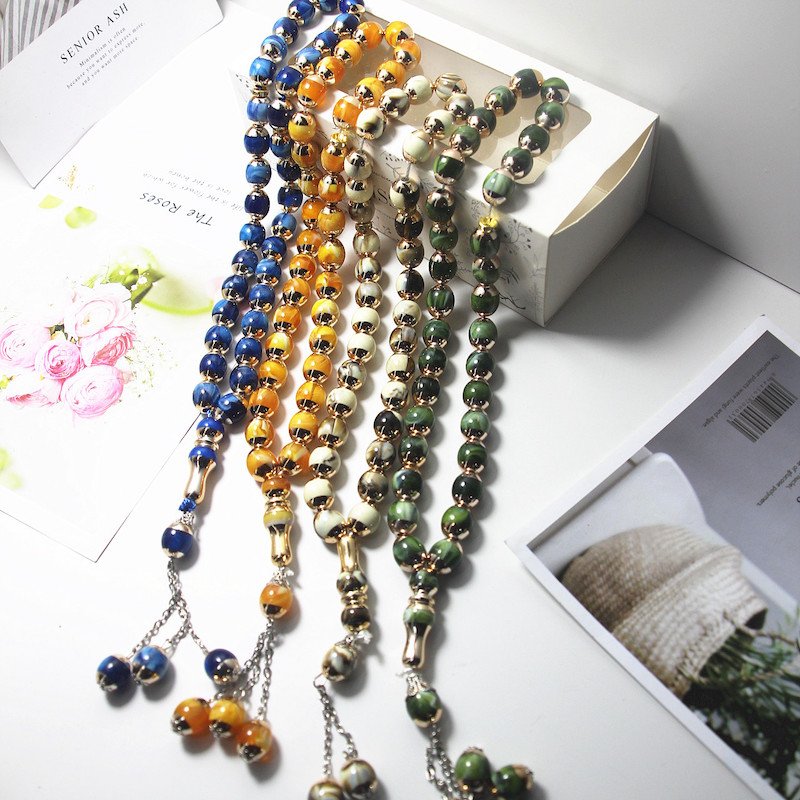
Ethical sourcing in Islamic goods covers several dimensions. For prayer mats and textiles, it includes the use of non-toxic dyes, certified sustainable fibers, and fair wages for artisans. For wooden tasbih or Islamic wooden crafts, it involves responsibly sourced timber and traditional craftsmanship that supports local communities. For food and fragrance products like oud or dates, halal certification is non-negotiable. Start by identifying which dimension matters most to your target retailers and build your sourcing criteria from there.
How to Vet Suppliers Without Increasing Costs
Many wholesale buyers assume that vetting suppliers for ethical compliance drives up costs significantly. In practice, the cost increase is modest when you approach it systematically. Begin with a supplier questionnaire covering labor practices, material sourcing, and certifications. Request copies of any third-party audits they have completed. For smaller manufacturers, an on-site visit or a video walkthrough is often sufficient to assess working conditions. These steps require time, not necessarily money.
Build long-term relationships with two or three vetted suppliers rather than constantly switching for marginal price improvements. Stable supplier relationships often translate into better payment terms, priority production slots, and faster response to custom orders — all of which improve your bottom line without compromising ethics.
Certifications That Add Value to Your Wholesale Offer
Certifications give retailers a marketing asset they can pass on to consumers. The most relevant certifications for Islamic goods wholesalers include halal certification for consumables and fragrances, OEKO-TEX Standard 100 for textiles, and Fair Trade certification for handcrafted goods. Not every product category requires a formal certification, but having at least one credible standard behind your flagship range positions your catalog as premium and trustworthy.
When presenting your offer to retailers, create a simple one-page summary for each product line that highlights the key ethical attributes and any relevant certifications. This becomes a sales tool that supports the retailer’s own marketing and reduces buyer hesitation.
Pricing Ethical Products: Where Margin Actually Comes From
The common misconception is that ethical sourcing compresses margins. The reality is that the margin on ethically sourced Islamic goods often comes from positioning rather than from squeezing production costs. When you clearly communicate quality and provenance, retailers are willing to pay a higher wholesale price because they can justify higher retail prices to consumers.
Focus your margin strategy on reducing hidden costs: fewer returns, fewer quality disputes, lower reorder frequency, and lower reputational risk. An ethical supply chain is an efficient supply chain. Products that meet quality and compliance standards the first time around reduce the administrative burden that quietly erodes profitability.
Practical Steps to Transition Your Existing Catalog
You do not need to overhaul your entire product range overnight. Start by identifying your two or three best-selling product lines and piloting an ethical sourcing review on those first. Replace non-compliant components with certified alternatives, update your supplier contracts to include basic labor and materials standards, and test the premium positioning with a subset of your retailer accounts.
Once you have proven the approach on a smaller scale, roll it out progressively. Document the results — higher retailer satisfaction, lower return rates, stronger sell-through — and use that data to build the internal case for full catalog transition.
FAQ
Does ethical sourcing always mean paying more for goods?
Not necessarily. Many ethical suppliers offer competitive pricing because they operate more efficiently and have lower employee turnover. The cost difference is often smaller than buyers expect.
How do I find certified halal manufacturers for Islamic goods?
Start with established halal certification bodies in your sourcing country. Manufacturers who work with major retailers typically already hold certifications or can provide them on request.
Can I market ethically sourced products at a premium in all markets?
Premium positioning works best in markets where consumers have discretionary income and strong value alignment — Western Muslim communities, Gulf countries, and upper-income urban markets in Southeast Asia tend to respond well to this positioning.
What if a supplier refuses to provide documentation?
Treat this as a red flag. Reputable suppliers welcome transparency because it builds trust. Reluctance to share documentation often signals compliance gaps you would rather discover before they affect your business.
Conclusion
Ethical sourcing in Islamic goods is a business strategy, not just a moral stance. Wholesalers who build credible, compliant supply chains attract better retailers, command stronger margins, and build more resilient businesses. The transition requires intentional effort, but the commercial upside — and the alignment with the values your customers hold — makes it one of the smartest investments you can make in your wholesale operation.