
The Modest Fashion Boom: How Smart Wholesalers Are Capturing the Global Muslim Women’s Market
The global modest fashion market surpassed $280 billion in 2023 — and it is still growing. For wholesalers who position themselves correctly, this is one of the most resilient and underserved categories in Islamic retail. Yet many distributors still treat modest fashion wholesale as secondary stock rather than a primary growth driver. That is a missed opportunity.
This guide breaks down what smart wholesalers are doing differently, which product categories are driving volume, and how to build a range that sells consistently across diverse Muslim markets.
Why Modest Fashion Is a Wholesale Priority Right Now
Modest fashion is no longer niche. It has entered mainstream retail in Southeast Asia, the Middle East, and Western Muslim communities simultaneously. The buying audience is young, brand-aware, and growing in purchasing power.
What makes it attractive for wholesalers is the repeat purchase cycle. Unlike one-time items, clothing requires seasonal restocking. Retailers who carry modest fashion collections come back to their suppliers multiple times a year. Building a reliable supply chain for this category creates long-term customer relationships, not just single transactions.
The Core Product Lines That Move
Not all modest fashion sells equally. Experienced wholesalers focus on a few high-velocity categories rather than spreading inventory too thin.
Abayas and modest dresses are the foundation of any modest fashion range. Classic black abayas remain consistent sellers, but embroidered designs, open-front styles, and linen fabrics have driven significant growth. Buyers across markets respond to quality finishing — clean seams, breathable fabrics, and accurate sizing.
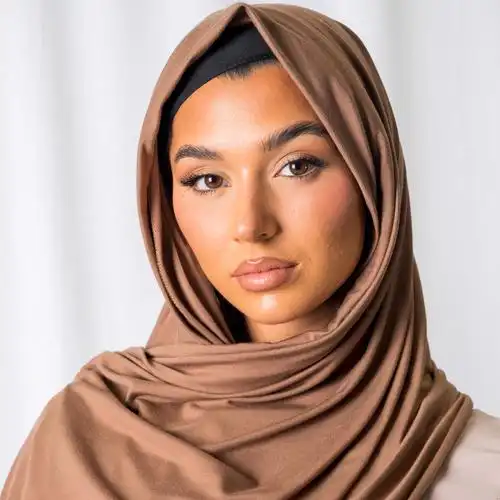
Hijabs and headscarves are one of the highest-turnover items in modest retail. Jersey hijabs, chiffon styles, and printed scarves all serve different customer segments. Offering variety within this category allows retailers to meet a broad range of preferences without overcomplicating inventory.
Modest sportswear and casual sets represent an emerging segment with strong momentum, particularly in younger demographics. Wholesalers who brought these lines in early have seen sustained demand from specialty retailers and online sellers.
What Regional Markets Actually Want
A key mistake in modest fashion wholesale is treating all Muslim markets as identical. Regional preferences vary significantly.
Southeast Asian buyers — Malaysia, Indonesia, Brunei — favor lighter fabrics suitable for tropical climates. Pastel tones, floral prints, and breathable cotton blends perform well. Gulf markets tend toward premium finishes, embellishment, and structured silhouettes. European and North American buyers often prioritize contemporary cuts that blend modest coverage with Western styling cues.
The most successful wholesalers carry enough range to serve at least two of these market types, allowing them to support retailers with diverse customer bases.
Sizing, Quality, and Returns
Modest fashion wholesale has a higher return risk than some other Islamic product categories because sizing inconsistency creates friction for retailers. When sourcing from manufacturers, pay close attention to size grading — particularly for abayas and long dresses where fit variation can be significant.
Request physical samples before committing to large orders. Fabric weight, stitching quality, and color fastness all affect how long garments retain their appeal on retail shelves. Wholesale buyers who invest time in quality control upfront spend less time handling returns and complaints downstream.
How to Price Modest Fashion for Margins
Modest fashion competes at multiple price points. Entry-level styles attract high-volume retailers. Premium lines attract boutiques and specialty stores willing to pay more for exclusivity.
Structure your wholesale pricing to reflect this. Basic hijabs and everyday abayas should carry margins that allow retailers to stay competitive on price. Embroidered, limited-run, or seasonal pieces can hold higher margins because the perceived value justifies the cost.
Avoid the trap of competing solely on price. Modest fashion retailers are increasingly brand-conscious. Consistency in quality and delivery reliability often matters more to long-term buyers than a slightly lower unit cost.
Frequently Asked Questions
What minimum order quantities are typical for modest fashion wholesale?
Most reliable manufacturers work with MOQs between 50 and 200 pieces per style. Some offer mixed-style orders for buyers testing new ranges, which reduces inventory risk.
How do I keep up with modest fashion trends?
Follow leading modest fashion weeks in Dubai, Istanbul, and Kuala Lumpur. Track bestseller lists on regional e-commerce platforms. Your most informed buyers will often tell you what is trending before formal industry data catches up.
Is certification required for modest fashion imports?
Most markets do not require halal certification for clothing. However, some buyers in Gulf markets prefer garments certified as not containing animal-derived materials. Check destination market requirements when sourcing from new suppliers.
Building a Modest Fashion Range That Lasts
The most successful modest fashion wholesalers are not chasing trends. They are building consistent, reliable ranges that retailers can depend on season after season. That means keeping core items like plain abayas and jersey hijabs in stock year-round while rotating seasonal and trend-driven pieces around them.
Invest in supplier relationships that allow you to reorder quickly when a style sells out. In modest fashion, the ability to replenish fast is often more valuable than having the widest possible catalog.
The market is growing. The buyers are ready. The question is whether your wholesale operation is positioned to meet them.