
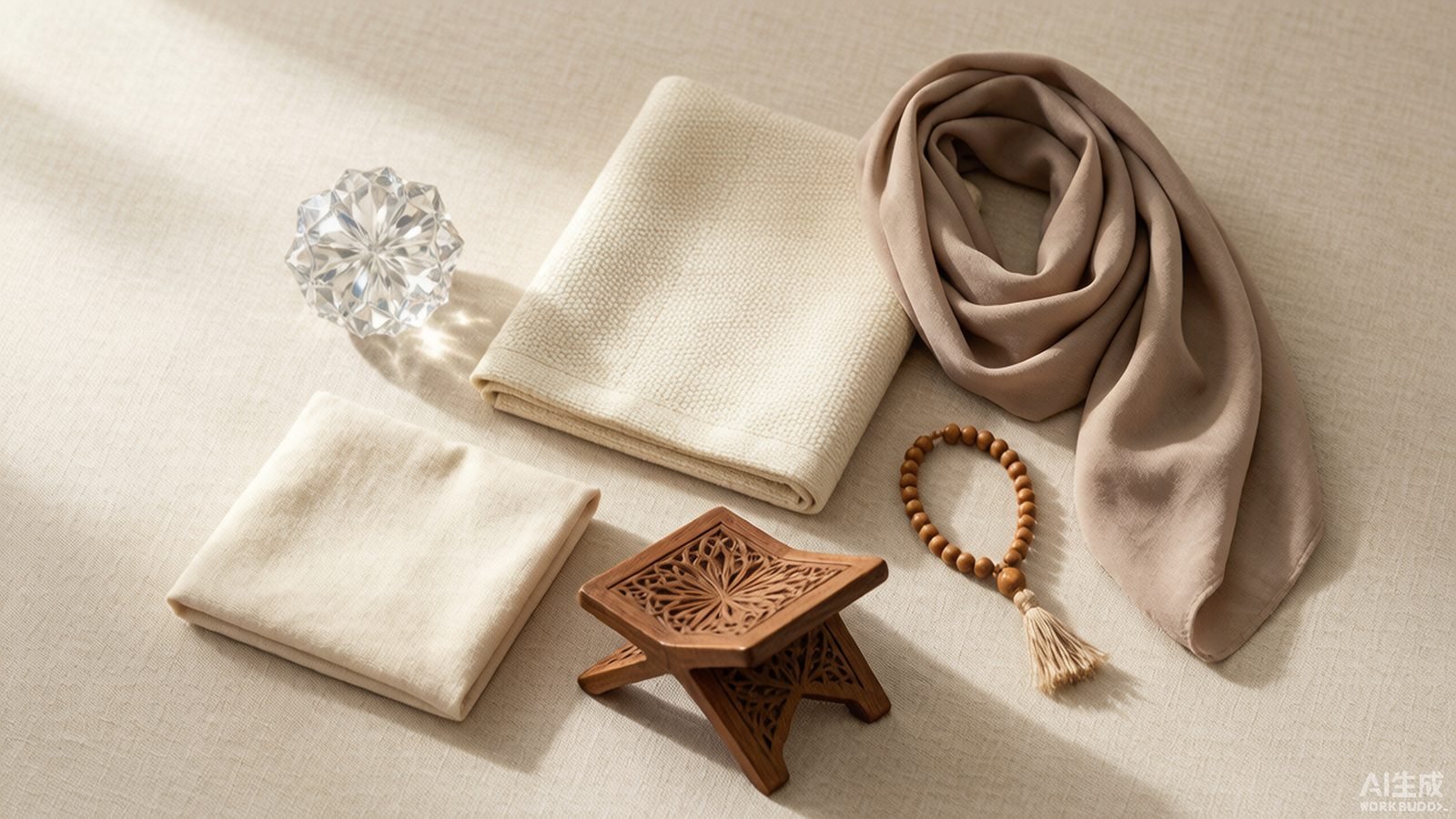
The Rise of “Everyday Gifting”: How Islamic Wholesale Moved Beyond Ramadan
For years, Islamic wholesale ran on a single clock: stock up before Ramadan, sell hard through the holy month, then watch demand fall off a cliff. That rhythm is breaking. Across our buyer base, the fastest-growing accounts now treat Islamic lifestyle products as year-round gifts — not seasonal spikes. Here is what the shift looks like, and why it should change how you buy.
From Seasonal Spike to Steady Calendar
The old model leaned almost entirely on one quarter. Ramadan and Eid drove the bulk of annual volume for many retailers, leaving the other months thin. The buyers pulling ahead now spread purchases across all twelve months, reordering lanterns, ornaments, and mats even in the quietest quarter. The calendar flattened, and so did their stockouts.
Why Ornaments Lead the Way
Within the Islamic crafts and decor range, crystal and glass pieces have become the quiet engine of everyday gifting. They do not read as “Ramadan” — they read as “thank you” or “welcome.” That neutrality is exactly why they sell in March as easily as they do in the holy month, making them the most dependable year-round line in the catalog.
Prayer Essentials as Everyday Presents
A prayer mat or tasbih is increasingly a housewarming, graduation, or new-baby gift rather than a purely devotional purchase. Because the underlying need is constant, the gifting occasion is constant too. Buyers who stock mats and beads as all-purpose presents see steadier velocity than those who reserve them for Eid.
The Modest-Fashion Spillover
Hijabs and undercaps were once thought of as Eid-exchange items. Today they are replenished by wearers every few weeks and have become routine personal gifts between friends and family. The wear-and-replace cycle turns headwear into a gift category that barely notices the Ramadan calendar at all.
What It Means for Your Buying Plan
Plan for a flatter curve. Keep your core gift SKUs — ornaments, mats, tasbih, headwear — in stock every month, and reserve a Ramadan-specific push for lanterns and festive bundles. Use the quiet quarters to test new decor rather than to go dark. Buyers who decoupled from the Ramadan-only mindset grew more steadily than those who stayed pinned to it.
The Takeaway
Everyday gifting is not a passing fad — it is a structural widening of when and why people buy Islamic lifestyle products. Stock for the whole year, treat the holy month as a peak rather than the only season, and your reorder rhythm will reward the change.