
Wholesale Tasbih: A Deep Dive into Bead Materials, 33 vs 99, and Buyer Reorders
For wholesale buyers, the tasbih (prayer beads) is one of the most repeatable SKUs in the Islamic lifestyle catalog. With 50+ variants in resin, wood, glass, and stone, it rewards buyers who understand the material and bead-count economics. This deep dive breaks down what actually drives margin, durability, and reorder frequency — so you can build a tasbih range that sells through instead of sitting in storage.
Why the Tasbih Is a Wholesale Anchor
The tasbih sits at the intersection of devotion and gifting. Unlike apparel, it has no size runs, no seasonal fit risk, and a near-universal buyer. That makes it the safest volume play in the prayer-supplies category and an ideal fill-in line for mixed containers.
Bead Materials — Mapping Price to Market
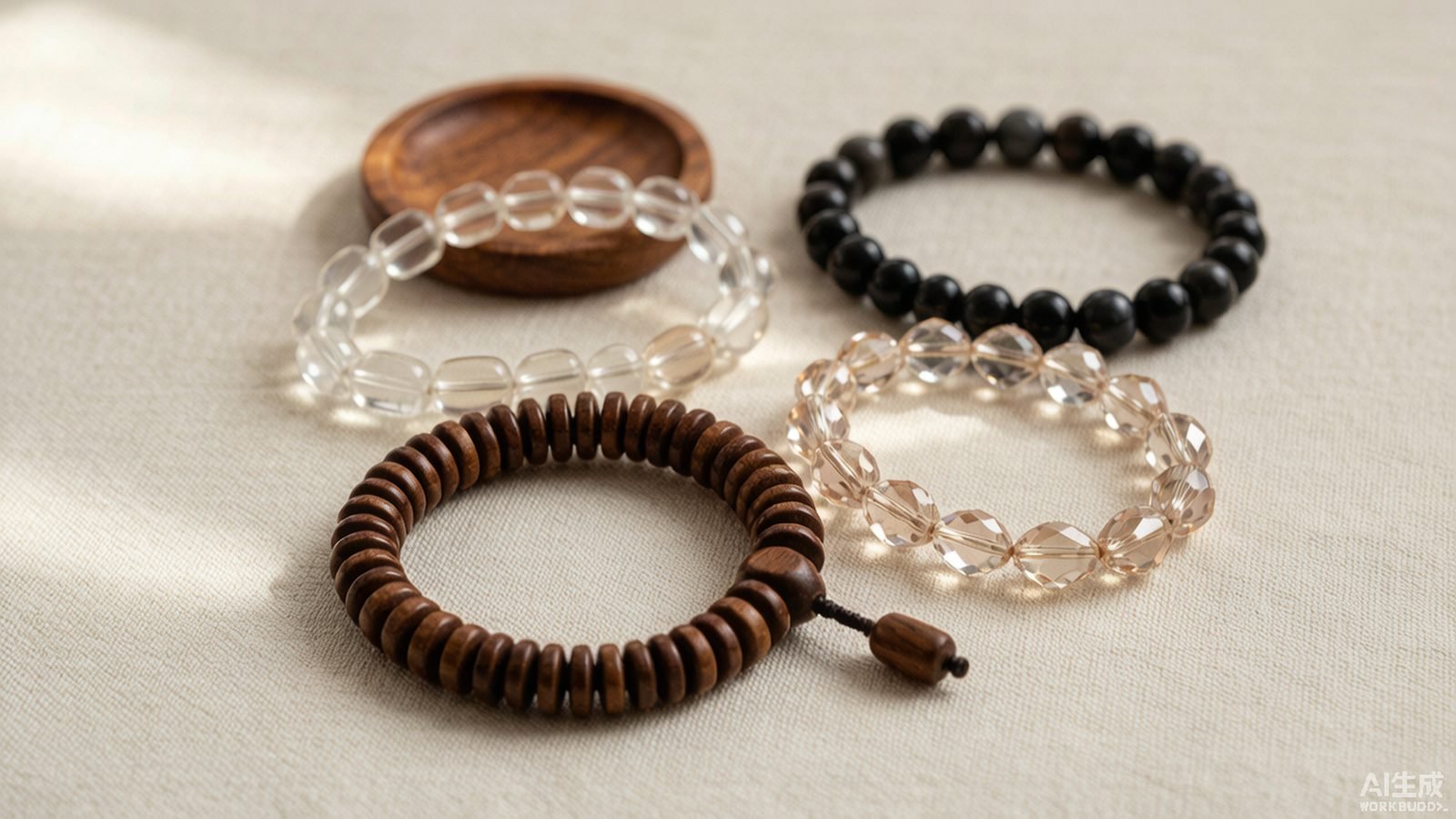
Resin is the lowest-cost option with the broadest color range — ideal for high-volume everyday use and promotional bundles. Kuka and sandalwood are natural woods with a warm scent and mid-tier pricing, popular across Southeast Asia and the Gulf. Glass and crystal read as reflective and gift-oriented, carrying higher perceived value. Agate and black stone sit at the premium end: heavier, collector-grade, and strong in commemorative segments. Match the material tier to the channel — resin for mass retail, wood for daily devotion, stone for gift and memorial positioning.
33 vs 99 Beads — Two Different Jobs
The 33-bead tasbih is compact, pocket-friendly, and the default for personal daily use — it reorders most often. The 99-bead version is longer, more ceremonial, and skews toward gift and commemorative purchases. Stock 33-bead as your baseline volume and carry 99-bead in fewer, more premium materials rather than across the whole range.
Sizing — 6mm to 12mm by Market
Bead diameter changes both feel and cost. 6–8mm suits Southeast Asian buyers who prefer finer, lighter sets. 8–10mm is the Gulf default. 10–12mm appeals to collectors and those who want a substantial grip. Standardize on 8mm as the hero size, then extend upward only for premium lines.
Durability and QC Checkpoints
Wood beads need sealed finishes to resist cracking in humid climates. Resin should be checked for uniform casting with no flash or seam. Stringing matters more than buyers expect: braided nylon outlasts cotton in daily use. Always inspect a mid-carton sample, not just the top layer, because packing order hides the weakest units.
Building a Reorder-Friendly Range
A tight range beats a wide one. Anchor on 8mm wood (33-bead) in three colors, add a resin promotional tier, and carry one stone 99-bead gift option. That gives three clear price points with minimal inventory complexity — and three distinct reorder triggers that keep containers full.
FAQ
Which tasbih reorders fastest? The 33-bead wood at 8mm — universal, low-risk, and used daily.
Should I stock 99-bead? Yes, but in limited premium materials; it is a gift and commemorative line, not a volume line.
How do I avoid dead stock? Keep wood and resin at roughly 80% of the mix and treat stone as a small, high-margin accent.
Summary
The tasbih is the wholesale buyer’s quiet workhorse. Win with a material ladder (resin → wood → stone), a 33-bead volume base, an 8mm hero size, and disciplined reorder ratios. Pair it with mats and accessories in the same container to lift order value without adding complexity.