
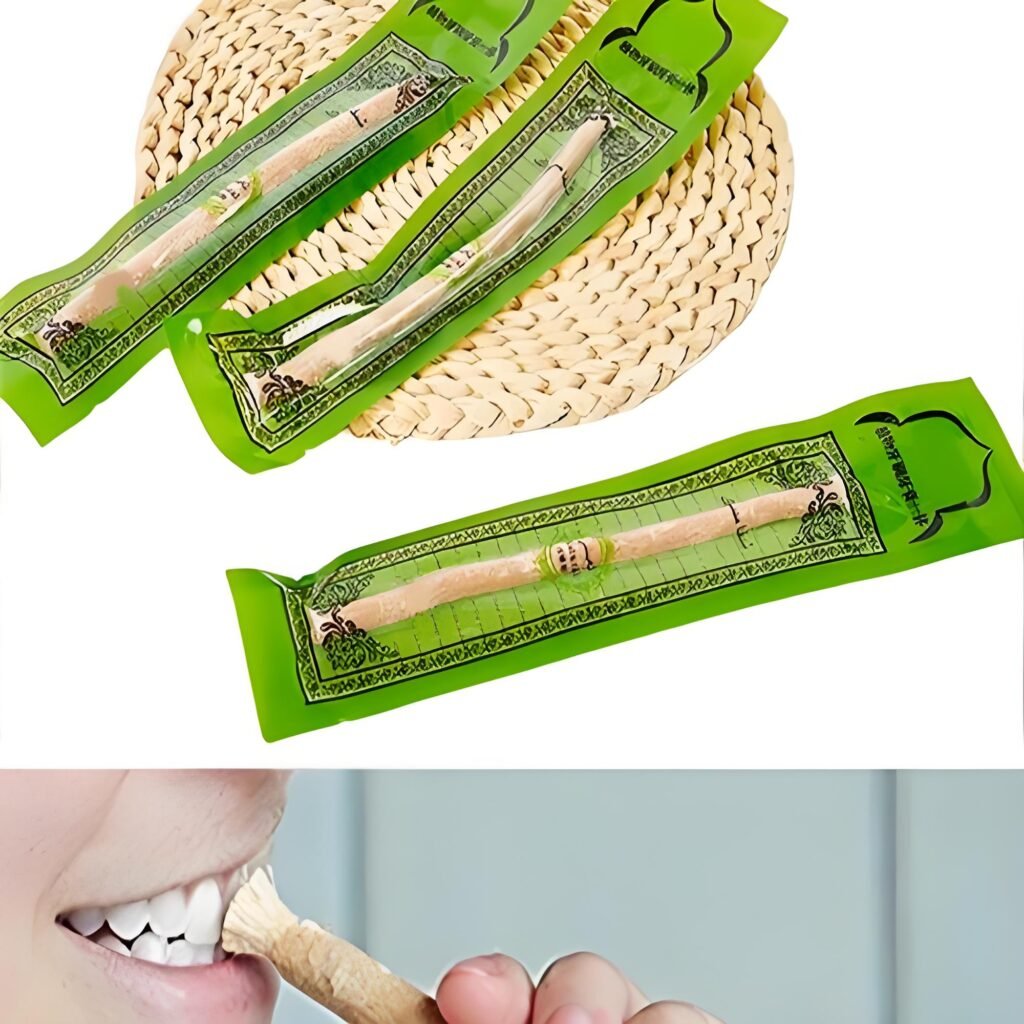
Why Miswak Is the Hidden Profit Center in Islamic Wholesale
Miswak, the natural toothbrush twig harvested from the Salvadora persica tree, sits at the intersection of three things every wholesale buyer wants: recurring demand, high margins, and light competition. Yet most wholesalers stocking prayer supplies skip it entirely. The reason is not a lack of market — it is a lack of supply chain literacy around a product that behaves very differently from the textile and hardgoods categories most importers are comfortable with.
The Recurring Revenue Model Most Wholesalers Ignore
Most Islamic product categories are one-time or seasonal purchases. A customer buys a prayer mat once every few years. They purchase tasbih occasionally. But a single miswak user goes through 8 to 12 sticks per year. For a retailer serving a community of 500 regular customers, that translates to 4,000 to 6,000 units annually — all from a product costing under $0.15 per unit at source and retailing for $1.50 to $3.00 in Western markets. The numbers are straightforward, yet the category remains underserved because wholesalers do not approach it as a standing SKU with automatic reorder cycles.
Sourcing Geography: Where Quality Depends on Latitude
The Salvadora persica tree grows across a wide belt from West Africa to South Asia, but the sticks valued by experienced buyers come from specific regions. Saudi Arabian and Yemeni crops are considered premium — the arid growing conditions produce denser, more fibrous twigs that retain their bristle structure through multiple uses. Pakistani material, particularly from Sindh province, delivers a cost-effective alternative with reliable quality for volume retail. East African sources — Somalia and coastal Kenya — are emerging but inconsistent in curing standards. Understanding these regional profiles matters because a retailer who stocks premium Yemeni miswak builds a different reputation than one pushing low-grade bulk from an unverified source.
The Curing Problem That Costs You Repeat Orders
Fresh miswak has a shelf life problem. Uncured or poorly cured sticks develop mold within weeks in humid climates — a disaster for distributors serving Southeast Asia or the Gulf during summer. Proper curing requires controlled drying for two to three weeks, reducing internal moisture to below 12 percent. Many small-scale suppliers skip this step because it ties up inventory and cash. The result is product that looks acceptable on arrival but develops fungal spots within a month. Wholesalers who specify curing standards in purchase orders — and verify compliance with a basic moisture meter — eliminate the quality complaints that kill repeat business in this category.
Why Packaging Alone Doubles Retail Price
Loose sticks in bulk poly bags command the lowest margins in the miswak category. The same product, individually sealed in vacuum pouches with bilingual labeling, sells for 40 to 60 percent more at retail. Add a resealable carrying tube or a compact travel case, and the price doubles — with zero change to the product inside. Wholesalers who invest in packaging differentiation capture the premium segment that Western Islamic retailers actively want but consistently struggle to source from a single reliable channel.
Certification: The Gatekeeper That Separates Suppliers
Importers in the EU, UK, and United States increasingly require documentation confirming that miswak is not classified as a controlled plant material. Phytosanitary certificates from the country of origin, paired with a Certificate of Analysis verifying the absence of pesticide residues, are becoming baseline requirements — not optional extras. Suppliers who provide these documents proactively, rather than waiting for a buyer to request them after the invoice is issued, win Western accounts that competitors cannot touch. The certification cost per shipment runs $200 to $500. The market access it unlocks is worth three to five times the margin of unregulated domestic sales.
Seasonality That Demands a Two-Speed Supply Chain
Unlike strictly seasonal Islamic products, miswak demand runs at a steady baseline with a two- to three-times spike during Ramadan and Hajj. This means your supply chain must maintain continuous throughput while reserving surge capacity for peak periods. The wholesalers who succeed with this product treat it as a permanent SKU with automated reorder triggers built around a six-week customer replenishment cycle — not as a promotional item tossed into a seasonal catalog and then forgotten.
FAQ
What is the typical MOQ for miswak wholesale?
Most suppliers quote minimums of 1,000 to 5,000 sticks. Orders involving custom vacuum-sealed or branded packaging generally require 3,000 units or more to amortize setup costs.
How long does properly cured and packaged miswak last?
Vacuum-sealed product stored in cool, dry conditions maintains quality for 18 to 24 months. Loose bulk sticks without vacuum packaging should be moved within 6 to 8 months.
Can I private-label the product?
Yes. Many suppliers offer custom-branded tubes, pouches, and outer cartons starting from 3,000 to 5,000 units per design variant.
Conclusion
Miswak is not a category that wins on visual appeal. It does not photograph dramatically, and it does not feature in trending wholesale guides. But it is one of the rare Islamic product segments where recurring revenue, healthy margins, and low competition overlap. Wholesalers who approach it as a strategic standing SKU — with documented curing standards, differentiated packaging, and Western-market compliance paperwork — build a quiet profit center while competitors fight over prayer mat pricing.