
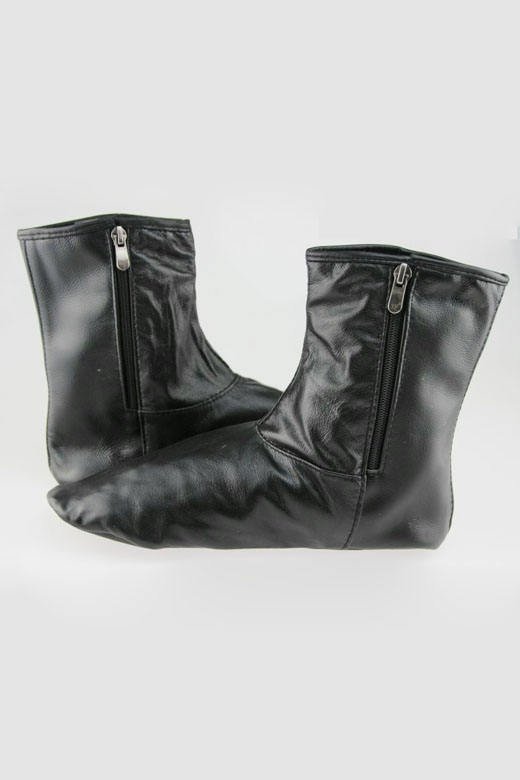
Islamic leather goods — embossed wallets, Quran covers, tasbih pouches, and prayer mat carrying cases — occupy a sweet spot in Islamic crafts and decor wholesale: they are affordable, durable, and gift-friendly. Yet many wholesalers approach them as an afterthought, stocking whatever generic items a supplier offers without considering the specific features that drive repeat purchases in Muslim retail. Sourcing them properly is not complicated, but it requires specifications most buyers never put in writing.
Specify Genuine Leather vs. PU From the First Inquiry
The single biggest sourcing mistake in this category is ambiguity about material. “Leather” on a supplier’s product page can mean full-grain cowhide, split leather, bonded leather, or polyurethane (PU) imitation. Each carries a radically different price point, durability profile, and retail positioning. Full-grain leather Quran covers retail for $25 to $40; PU equivalents cap at $8 to $12. Specify the exact material grade in your purchase order and request a composition certificate with each shipment. Buyers who skip this step end up with inventory they cannot position — too expensive for the PU market, too cheap-feeling for the genuine leather segment.
Embossing Quality: The Detail That Separates Premium From Generic
Islamic leather goods sell on visual and tactile appeal. The embossing — whether a geometric pattern, Arabic calligraphy, or mosque silhouette — must be crisp, deep, and consistent across the batch. Shallow or misaligned embossing signals worn tooling and immediately downgrades the product to discount tier. When sampling, run your thumb across the embossed area. If the edges feel rounded rather than defined, the die is worn or press pressure is insufficient. Premium suppliers provide embossing depth specifications (typically 0.8 to 1.2mm) when asked — and asking itself signals that you are a serious buyer.
Stitching Density: What 8 SPI vs. 12 SPI Means for Returns
Stitches per inch (SPI) determines whether a leather wallet or pouch survives daily use or falls apart in three months. Budget suppliers typically run 6 to 8 SPI, acceptable for decorative items but inadequate for load-bearing products like prayer mat bags or backpack-style prayer supplies carriers. Specify 10 to 12 SPI for any product that carries weight. The cost difference is negligible — roughly $0.20 to $0.40 per unit at volume — but the return rate difference is dramatic. Retailers who receive consistently well-stitched goods reorder; those who get loose seams do not.
Halal Leather Certification: Growing Demand in Western Markets
An emerging differentiator, particularly for EU and UK importers, is halal leather certification. Conventional leather processing sometimes involves tanning agents or finishing chemicals derived from non-halal sources. Halal-certified leather — verified free from porcine-derived substances and processed with compliant agents — commands a 15 to 25 percent premium but opens access to Islamic retailers who explicitly require it. If your target market includes Western Muslim consumers who scrutinize supply chains, sourcing this certification upfront is far cheaper than retrofitting after a buyer’s compliance team rejects your shipment.
Hardware: Zippers, Snaps, and Rings That Fail First
On leather goods, the hardware fails before the leather. Zipper quality is the most common return trigger — a broken zipper on a Quran cover or tasbih pouch renders the product unusable. Specify YKK or equivalent zippers with auto-lock sliders. Magnetic snaps should be tested for pull strength (minimum 1.5kg). D-rings and swivel clasps on prayer mat bags should be solid brass, not plated steel, which corrodes in humid climates within months. These hardware specifications add $0.30 to $0.80 per unit but eliminate the majority of warranty claims that erode wholesale margins.
MOQ Realities and Customization Thresholds
Standard Islamic leather goods — generic wallets, plain pouches — are available at MOQs of 200 to 500 units. Custom embossing with your brand logo or a specific Quranic verse typically requires 500 to 1,000 units per design. Full custom development including pattern cutting, prototype iteration, and exclusive tooling generally starts at 2,000 units. The key is matching order volume to the customization level that actually differentiates your offering. A custom-embossed Quran cover at 500 units with a $2.50 FOB price can retail for $18 to $25 — a margin structure that justifies the commitment.
FAQ
What is the typical wholesale price range for Islamic leather goods?
Genuine leather items range from $2.50 to $8.00 per unit FOB depending on size and complexity. PU leather equivalents run $0.80 to $2.50. Custom embossing adds $0.30 to $0.60 per unit.
Can I get halal leather certification from existing suppliers?
Suppliers in Pakistan, Turkey, and India increasingly offer halal-certified leather. Request the certification document upfront — it should reference the certifying body and the specific tanning process used.
What is the shelf life of leather goods in storage?
Properly stored genuine leather goods (cool, dry, away from direct sunlight) last indefinitely. PU leather may develop cracking or peeling after 18 to 24 months, particularly in humid warehouse conditions.
Conclusion
Islamic leather goods reward wholesalers who specify rather than assume. Material grade, embossing depth, stitching density, hardware quality, and halal certification are the five levers that separate a reorder-worthy product from a one-time purchase that disappoints. Get these specifications right in your purchase order, and your retail buyers will come back — because their customers will keep coming back to them.