
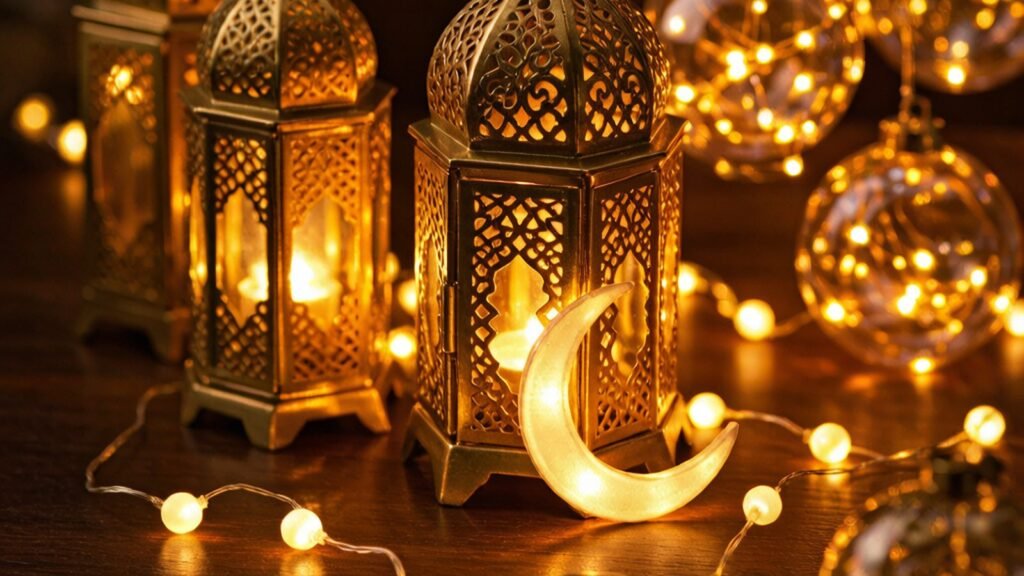
Islamic lantern wholesale has become one of the most profitable segments for retailers preparing for Ramadan and Eid seasons. As a wholesale buyer, understanding the manufacturing landscape, material options, and quality benchmarks for Islamic decorative lights can make the difference between a sell-through season and slow-moving inventory. This guide takes a deep dive into what matters most when sourcing lanterns from suppliers in China.
Why Islamic Lanterns Are a Year-Round Category
Many buyers assume lanterns are strictly seasonal. In reality, Islamic lanterns have evolved beyond Ramadan into everyday home decor. Moroccan-style metal lanterns, LED crescent moon lights, and calligraphy-engraved night lights sell consistently throughout the year in Muslim-majority markets across Southeast Asia, the Middle East, and diaspora communities in Europe and North America. Wholesale orders placed in Q3 give retailers enough runway to stock up before the Ramadan surge begins.
Material Types and Their Wholesale Implications
The most common materials you will encounter when sourcing Islamic lanterns include:
- Iron and aluminum alloy: Durable, lightweight, and cost-effective. These are the workhorses of mid-range lantern lines.
- Glass and crystal: Premium positioning with higher margins. Glass panels with colored filigree appeal to gift shops and upscale home decor retailers.
- Acrylic and plastic: Budget-friendly options that mimic metal finishes. Ideal for high-volume, low-price markets.
- Wood and MDF: Often combined with LED components for a warm, natural aesthetic that resonates with buyers seeking eco-conscious decor.
Understanding these material trade-offs helps you negotiate better with factories and set realistic retail price points across different market tiers.
LED Components: The Hidden Cost Variable
The LED module inside an Islamic decorative light is where quality diverges most sharply between suppliers. Cheap LED strips flicker, dim prematurely, or fail entirely within months of shelf display. When evaluating samples, ask suppliers about LED chip brand (Epistar, Samsung, or generic alternatives), color temperature options (warm white versus multicolor), battery versus USB-powered configurations, and IP rating for outdoor display models. A 15% cost difference between two suppliers often comes down to LED quality, not the lantern body itself.
Minimum Order Quantities and Customization
Most Chinese factories set MOQs between 200 and 500 units for standard lantern designs. Custom shapes, exclusive colors, or branded packaging typically push MOQs to 1,000 units or more. If you are testing a new market segment, consider sourcing from trading companies that offer lower MOQs by consolidating inventory across multiple buyers. This approach reduces upfront capital while still giving you access to factory-direct pricing.
Quality Control Checklist Before Shipping
Before your lantern order ships, insist on these critical checks:
- Drop test from 1.2 meters for glass and crystal models
- LED functionality test on 100% of units (AQL 2.5 minimum)
- Paint adhesion test on metal surfaces
- Packaging integrity test for sea freight conditions
- CE, RoHS, or FCC certification for markets that require it
FAQ
What is the typical lead time for Islamic lantern wholesale orders?
Standard designs ship in 15-25 days. Custom molds add 10-15 days for sampling and tooling.
Can I mix lantern styles in one container?
Yes. Most suppliers allow mixed loading, but specify this before signing the proforma invoice to avoid repacking fees.
Are battery-operated lanterns allowed in air freight?
Lithium battery models require UN38.3 certification. USB-powered models have fewer restrictions.
Conclusion
Sourcing Islamic lanterns at wholesale requires attention to material quality, LED components, and factory QC processes. By focusing on these details, buyers can build a lantern program that performs well beyond the Ramadan season. Start conversations with suppliers early, test samples rigorously, and negotiate LED specifications as carefully as you negotiate the lantern body itself.