
Wholesale Women’s Headwear: A Buyer Q&A Clinic
A new retailer sits down with our sourcing desk, unsure where to start with women’s modest headwear. The same questions come up almost every week, so we turned one of those conversations into a short clinic. If you are planning a first women’s collection or topping up an existing one, this should save you a few missteps.
Which headwear styles actually reorder?
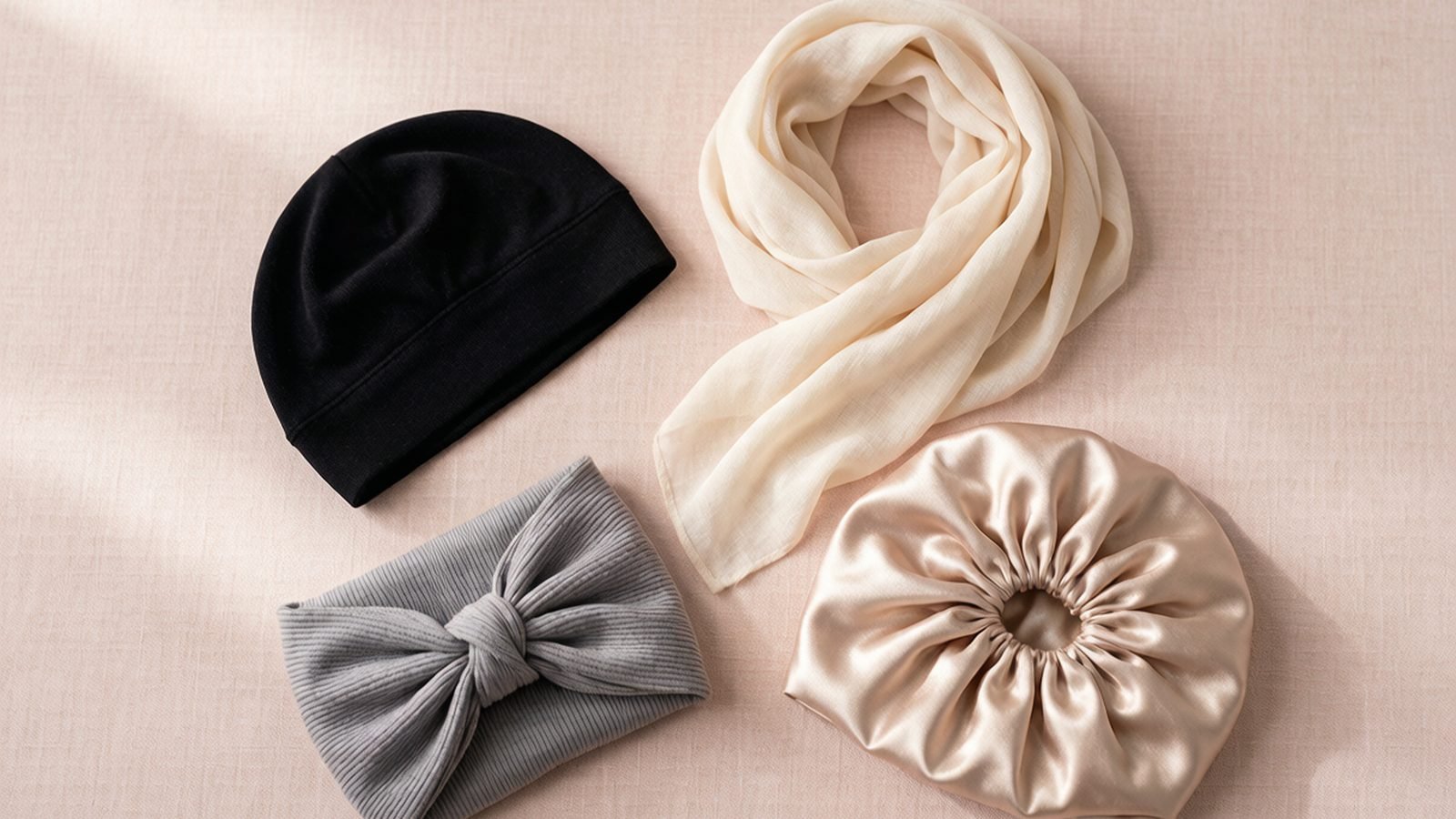
The four workhorses are undercaps, hijabs, bonnets, and turban caps. Undercaps sell steadily because they are the base layer worn under every scarf. Hijabs drive the widest variety of colors and fabrics. Bonnets appeal to sleep and home wear, while turbans attract gift and fashion buyers. In our experience, a balanced cart weights undercaps and hijabs heaviest.
Undercap or hijab — what is the difference for my shelf?
An undercap is a snug, often seamless cap that keeps hair in place and prevents slippage. A hijab is the draped outer layer. They are not competitors; they are worn together. Stocking both lets a customer build a full look from one supplier, which quietly lifts basket size.
What fabrics hold up after 50 washes?
Cotton jersey and bamboo blends lead on durability and breathability. Satin and chiffon look premium but need gentler handling, so they suit occasion wear rather than daily use. If your buyers expect everyday pieces, lean on jersey and cotton, then add a small satin line for variety.
How do I size a mixed headwear assortment?
Most undercaps and turbans are one-size with stretch, which keeps inventory simple. Hijabs are usually free-size rectangles, so length is the variable to watch for taller draping. Offering one-size across the board reduces returns and makes a first order far less intimidating.
What is a realistic MOQ for a first order?
For a debut range, ask for low per-style minimums and sample two or three units of each candidate before committing to a full carton. Small test batches let you learn which colors move in your market without tying up cash in slow stock.
Do colors and prints travel across markets?
Neutral tones — black, beige, grey, navy — perform almost everywhere. Prints and pastels tend to be regional: brighter mixes do well in parts of Southeast Asia, while muted earth tones suit the Gulf. A safe launch is 70 percent neutrals and 30 percent seasonal color.
FAQ
Can I mix headwear with other categories in one shipment?
Yes. Headwear is light and packs tightly, so it pairs well with heavier items like robes or mats to fill a container efficiently.
How fast do reorders usually ship?
In-stock styles typically turn around in one to two weeks; custom colors run longer. Keeping one neutral style always in stock avoids gaps.
Are plain colors safer than prints for a first launch?
Generally yes. Plain neutrals sell through more predictably, and you can introduce prints once you read your local demand.
Summary
Women’s headwear rewards a simple plan: anchor on undercaps and hijabs, keep most of the range in neutral one-size styles, sample before you scale, and let color be your experimental layer. Treat the category as a repeat-purchase staple rather than a one-off fashion buy, and it will quietly become one of the steadiest lines in your women’s collection.