
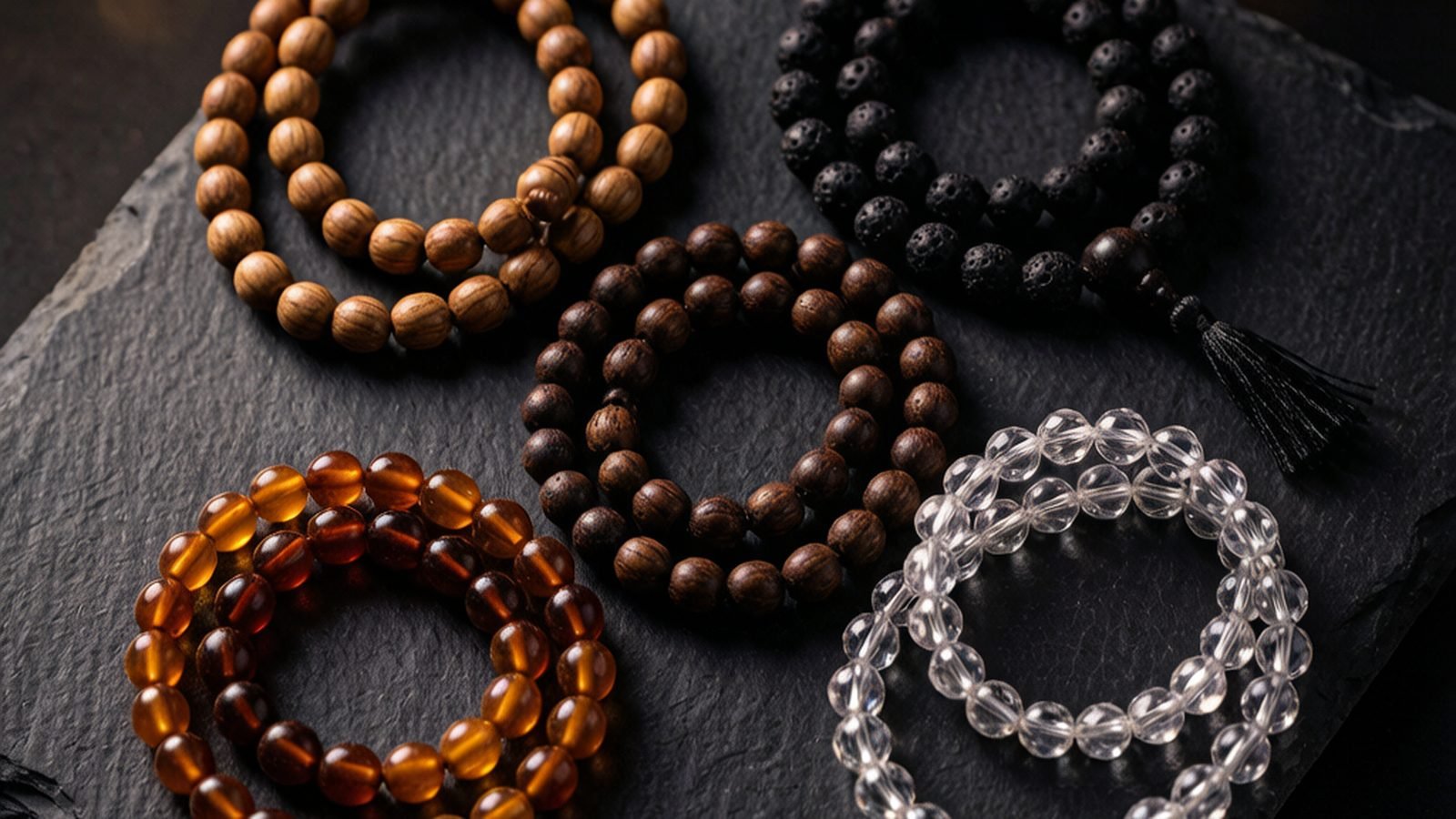
Most wholesale buyers shop for tasbih by price and photo. That works until two shipments arrive from the same supplier and one sells out in three weeks while the other sits. The difference is almost never the price — it’s the grade. Learning to read tasbih quality before you order is the single skill that protects your margin on the largest and most reorder-driven category in Islamic goods.
Why Tasbih Quality Grading Matters More Than Price
A tasbih is a repeat-purchase item. The person who buys one for daily dhikr will buy another as a gift, and another when a bead cracks. When your stock feels cheap in the hand, the reorder goes to a competitor. Grading is how you make sure every unit you import feels like the sample you approved.
Bead Diameter and What It Actually Signals
Bead size is the first thing a buyer notices. The common wholesale range runs from 6 mm to 12 mm. Smaller beads read as refined and feminine; larger beads suit a confident grip and gift presentation. But diameter also signals tooling precision. Consistent sizing across a 33- or 99-bead strand means the factory held its molds; scattered sizes mean worn tooling and a strand that will feel uneven forever. When you source tasbih in bulk, ask for a caliper measurement sheet, not just a photo.
Material Density and How It Affects Weight
Weight is the quiet tell of material honesty. Resin beads marketed as “stone” feel hollow and warm; genuine wooden, glass, or natural-stone beads carry a cool, settled weight. Density also predicts durability. A dense bead resists chipping in transit and survives daily handling. For prayer beads meant for everyday use, density is the difference between a product that earns a five-star review and one that gets returned.
The Finish — Gloss, Polish, and Surface Defects
Finish separates a premium strand from a flea-market one. Look for an even gloss with no orange-peel texture, no pinhole bubbles, and no seam line where the mold closed. Run your thumbnail across the surface; a quality bead feels glassy, not tacky. Defects this small are invisible in a listing photo and brutal in a customer’s hand.
The Connector, String, and Tassel
The parts nobody photographs are the parts that fail first. Check the imam bead — the longer guide bead — the string tension, and the tassel knot. A loose tassel or fraying string reads as “cheap” even when the beads are perfect. For 99-bead strands, verify the string holds tension across the full length without sagging.
Packaging and What Buyers Now Expect
Wholesale tasbih increasingly ships gift-ready. A simple velvet pouch or branded box lifts perceived value and cuts damage claims. If your market is gifting or mosque retail, specify packaging in the purchase order — it is cheaper to add at the factory than to repack at your warehouse.
Frequently Asked Questions
How many beads should a wholesale tasbih have?
The two standard counts are 33 and 99. Thirty-three-bead strands are compact and the most reordered for daily carry; 99-bead strands suit display and gift sales.
Which material reorders best?
Wood and resin lead on volume and price; glass, crystal, and natural stone command higher margins and gift demand. Stock a mix rather than betting on one.
Can I mix diameters in one container?
Yes. Many buyers blend 6–8 mm feminine strands with 10–12 mm gift strands to cover both everyday and present markets in a single shipment.
Conclusion
Grading tasbih is less about being picky and more about protecting the reorder. Once you standardize on bead diameter, density, finish, and hardware checks, your samples and your shipments stop drifting apart — and your buyers come back for the strand that felt right the first time.